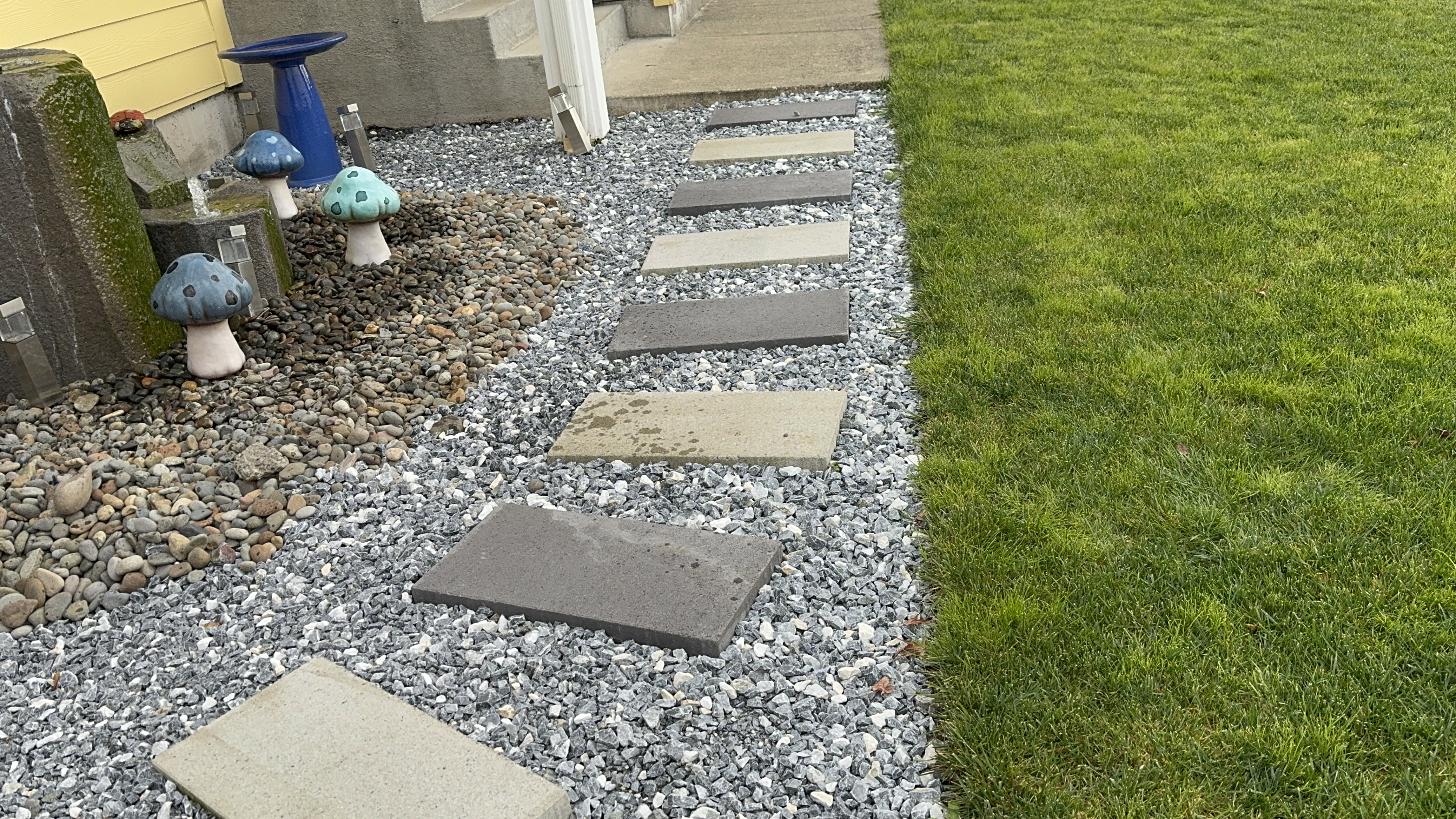
Innovative Vertical Gardening Techniques
Vertical gardening is an innovative approach to growing plants in a limited space. This technique not only maximizes the use of available area but also adds aesthetic appeal to residential and commercial landscapes.
What is Vertical Gardening?
Vertical gardening involves growing plants upwards rather than outwards. This method utilizes walls, trellises, and other structures to support plant growth, making it especially suitable for urban settings where space is at a premium.
Benefits of Vertical Gardening
- Maximizes space utilization
- Enhances air quality
- Improves aesthetic appeal
- Reduces soil erosion
- Promotes biodiversity
Space Optimization
Vertical gardening is ideal for urban environments where land is limited. By growing plants vertically, homeowners can create lush green spaces without sacrificing square footage.
Types of Vertical Gardening Techniques
- Trellis Systems
- Living Walls
- Pallet Gardens
- Hanging Planters
- Vertical Planters
Trellis Systems
Trellis systems are structures that provide support for climbing plants. They can be made from wood, metal, or plastic and are perfect for growing vines, tomatoes, and other climbing vegetables.
Living Walls
Living walls, also known as green walls, are panels of plants grown vertically using hydroponics. They are a striking feature for modern homes and commercial buildings, providing insulation and improving air quality.
Pallet Gardens
Pallet gardens are an eco-friendly way to create vertical gardens using recycled wooden pallets. They can be mounted on fences or walls and filled with soil and plants, making them a budget-friendly option.
Hanging Planters
Hanging planters are a simple way to add greenery to any space. They can be hung from ceilings, walls, or even balconies, making them versatile for both indoor and outdoor settings.
Vertical Planters
Vertical planters come in various designs and materials, allowing for a customizable garden experience. They can be stacked or arranged in different configurations to suit the available space.
Choosing the Right Plants for Vertical Gardens
Selecting the right plants is crucial for the success of a vertical garden. Consider factors such as light availability, plant growth habits, and water requirements.
- Herbs (e.g., basil, mint, parsley)
- Flowering plants (e.g., petunias, geraniums)
- Vegetables (e.g., lettuce, strawberries)
- Foliage plants (e.g., ferns, ivy)
Maintenance and Care
Proper maintenance is essential for the longevity and health of vertical gardens. Regular watering, pruning, and monitoring for pests will ensure that your vertical garden thrives.
- Water regularly based on plant needs
- Prune dead or overgrown leaves
- Check for pests and diseases
- Fertilize as needed
Conclusion
Vertical gardening offers a sustainable solution to space constraints while enhancing the beauty of any environment. By utilizing innovative techniques, you can create stunning green spaces that contribute positively to both your home and the planet.