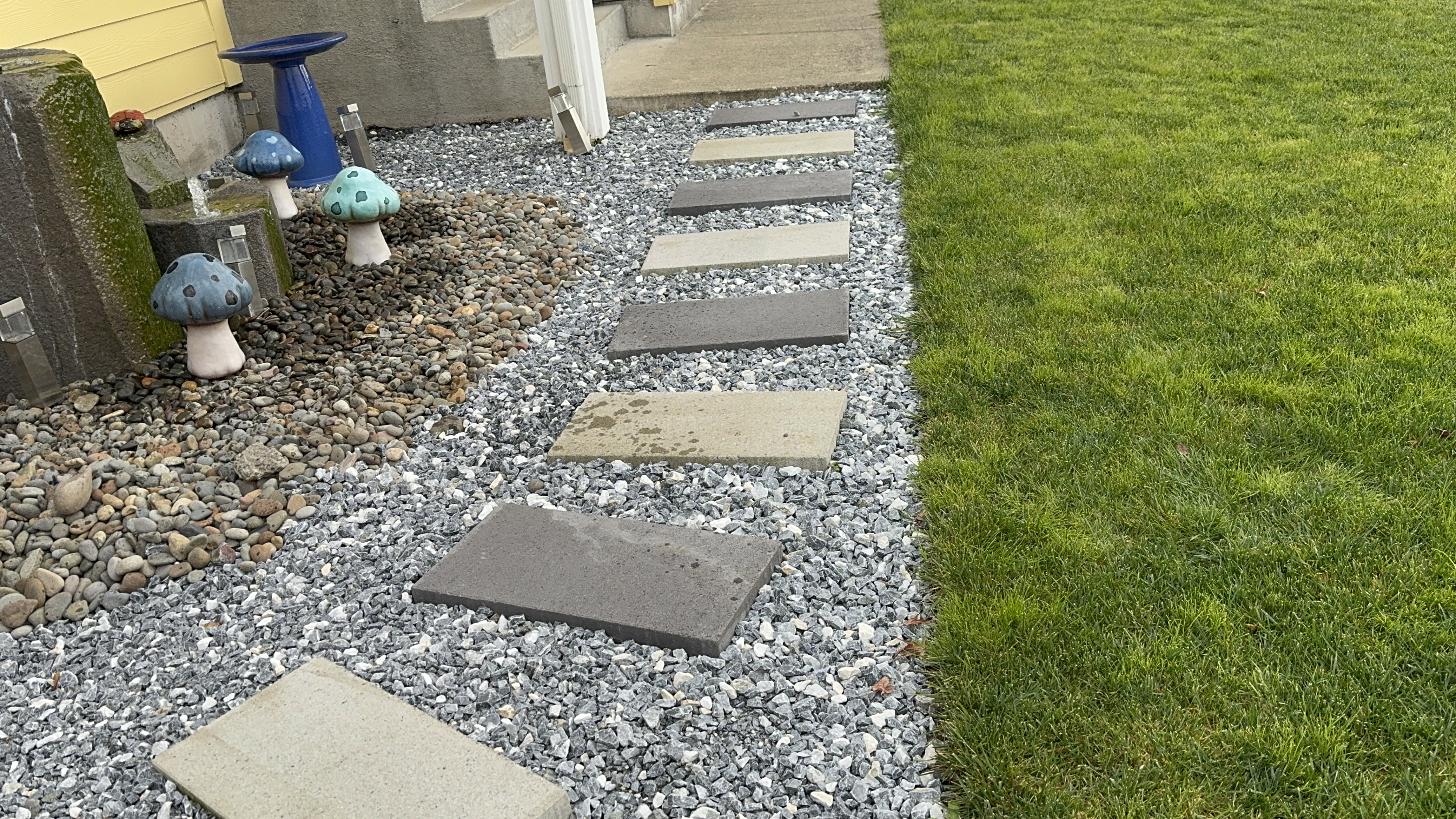
Sustainable Landscaping Practices for 2026
As we approach 2026, the importance of sustainable landscaping practices continues to grow. With climate change and environmental concerns at the forefront, both homeowners and businesses are seeking eco-friendly solutions that not only enhance beauty but also promote biodiversity and conserve resources.
What is Sustainable Landscaping?
Sustainable landscaping refers to designing and maintaining gardens and landscapes in a way that is environmentally friendly and resource-efficient. It focuses on minimizing negative impacts on the environment while creating beautiful outdoor spaces.
Key Principles of Sustainable Landscaping
- Use native plants that require less water and maintenance.
- Implement water-efficient irrigation systems.
- Reduce chemical use by opting for organic fertilizers and pest control.
- Encourage biodiversity by creating habitats for local wildlife.
- Utilize mulch and compost to improve soil health.
Benefits of Sustainable Landscaping
Adopting sustainable landscaping practices offers numerous benefits, including:
- Lower water bills through efficient irrigation.
- Reduced maintenance costs over time.
- Enhanced property value due to eco-friendly features.
- Improved air quality and reduced carbon footprint.
- Increased resilience to pests and diseases.
Implementing Sustainable Practices in Your Landscape
Here are some practical steps to implement sustainable landscaping in your own space:
- Conduct a site analysis to understand your local climate and soil conditions.
- Select drought-tolerant plant species that thrive in your region.
- Install rain gardens or bioswales to manage stormwater runoff.
- Use permeable paving materials to reduce surface runoff.
- Practice seasonal pruning and maintenance to enhance plant health.
Innovative Technologies for Eco-Friendly Landscaping
Advancements in technology are paving the way for more sustainable landscaping options. Here are some innovations to consider:
- Smart irrigation systems that adjust watering based on weather conditions.
- Drones for landscape surveying and monitoring plant health.
- Solar-powered garden lights that reduce energy consumption.
- Automated lawn mowers that promote efficient mowing practices.
The Role of Community in Sustainable Landscaping
Community engagement is crucial for promoting sustainable landscaping practices. By working together, neighborhoods can create green spaces that benefit everyone. Consider:
- Organizing community clean-up days focused on local parks and gardens.
- Creating a neighborhood garden where residents can grow food together.
- Hosting workshops on sustainable gardening techniques.
- Forming partnerships with local environmental organizations.
Incorporating Local Resources and Expertise
Utilizing local resources and expertise can enhance the effectiveness of your sustainable landscaping efforts. Look for:
- Local nurseries that specialize in native plants.
- Landscape architects familiar with sustainable design principles.
- Workshops offered by environmental groups in your area.
- Government programs that support eco-friendly landscaping initiatives.
Conclusion
As we move toward 2026, embracing sustainable landscaping practices is not just beneficial—it's essential for the health of our planet. By making conscious choices in our gardening and landscaping efforts, we can create beautiful, eco-friendly spaces that thrive for generations to come. New View Irrigation & Landscaping Services LLC is committed to helping you implement these practices effectively, ensuring your landscape is both stunning and sustainable.