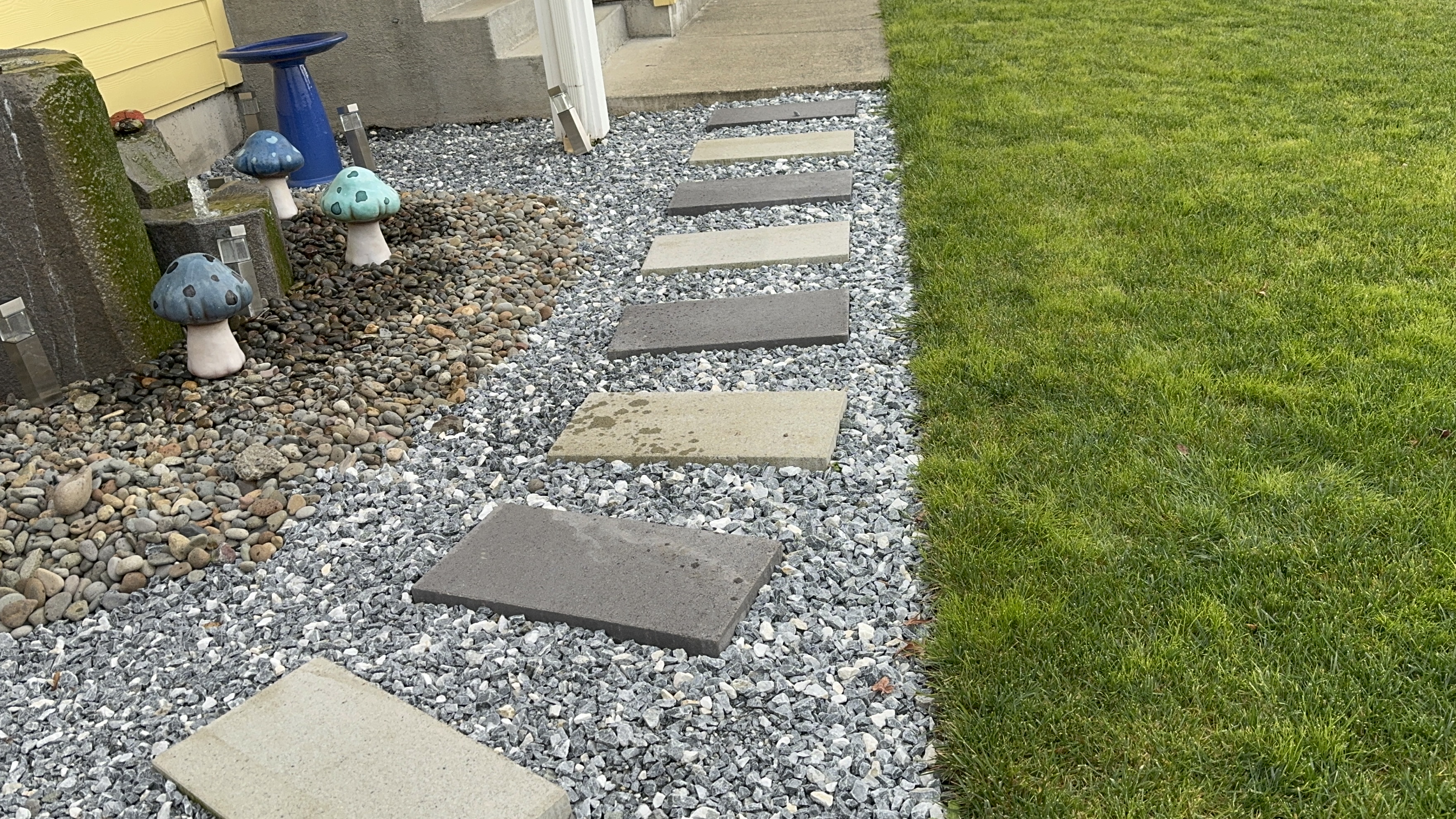
The Benefits of Hardscape in Landscaping Design
Hardscape is a fundamental component of landscaping design that includes non-plant elements such as patios, walkways, retaining walls, and water features. As landscaping continues to evolve, the integration of hardscape elements is becoming increasingly popular due to their functionality and aesthetic appeal.
What is Hardscape?
Hardscape refers to the solid, inanimate elements of landscaping that provide structure and form to outdoor spaces. Unlike softscape, which includes plants and vegetation, hardscape consists of materials like stone, concrete, wood, and metal.
Benefits of Incorporating Hardscape in Landscaping
- Enhances Aesthetic Appeal
- Increases Property Value
- Provides Functional Outdoor Spaces
- Reduces Soil Erosion
- Improves Drainage
- Creates Low-Maintenance Areas
Enhances Aesthetic Appeal
Hardscape elements can significantly enhance the visual appeal of a yard or garden. Beautifully designed patios, walkways, and walls can create a cohesive look that draws attention and admiration.
Increases Property Value
Investing in hardscape can boost the overall value of your property. Well-designed outdoor spaces are attractive to potential buyers, making your home more marketable.
Provides Functional Outdoor Spaces
Hardscape allows homeowners to create functional areas for entertaining, dining, and relaxing. Features like outdoor kitchens, fire pits, and seating areas make outdoor living more enjoyable.
Reduces Soil Erosion
Incorporating hardscape elements such as retaining walls can help control soil erosion, particularly on sloped properties. This not only preserves the landscape but also reduces maintenance costs.
Improves Drainage
Hardscape features can be designed to improve drainage in your landscape. Properly installed patios and walkways can redirect water flow, preventing pooling and damage to plants.
Creates Low-Maintenance Areas
Hardscape reduces the area that requires regular maintenance, such as mowing and watering. This is particularly beneficial for busy homeowners looking for low-maintenance landscaping solutions.
Popular Hardscape Materials
- Natural Stone
- Brick
- Concrete Pavers
- Timber
- Gravel
Natural Stone
Natural stone is a timeless choice for hardscape elements, offering durability and a unique aesthetic. Options include slate, granite, and limestone.
Brick
Brick provides a classic look and is often used for patios and walkways. Its durability and variety of colors make it a popular choice.
Concrete Pavers
Concrete pavers are versatile and available in various shapes and colors. They are often used for driveways, patios, and pool decks.
Timber
Timber is commonly used for decking, fences, and garden structures. It adds warmth and a natural element to hardscape designs.
Gravel
Gravel is an affordable and flexible option for pathways and patios. It allows for good drainage and can be easily manipulated to create various designs.
Designing with Hardscape
When designing your landscape, consider how hardscape elements will interact with softscape features. A well-planned design will balance both elements, creating a harmonious outdoor space.
- Create Zones for Different Activities
- Incorporate Water Features
- Use Lighting to Enhance Features
- Consider Texture and Color
- Plan for Seasonal Changes
Create Zones for Different Activities
Define areas for cooking, dining, and relaxation using hardscape elements. This organization enhances functionality and flow.
Incorporate Water Features
Water features like fountains or ponds can add tranquility and beauty to hardscape designs. They also provide a natural focal point.
Use Lighting to Enhance Features
Strategically placed lighting can highlight hardscape features and create ambiance during the evening.
Consider Texture and Color
Mixing different textures and colors in your hardscape can add visual interest and complement your home’s architecture.
Plan for Seasonal Changes
Consider how hardscape elements will look throughout the seasons. Choosing materials that weather well can maintain the beauty of your landscape year-round.
Conclusion
Incorporating hardscape into your landscaping design provides numerous benefits, including enhanced beauty, increased property value, and functional outdoor spaces. By carefully selecting materials and planning your layout, you can create a stunning and sustainable landscape that serves your needs for years to come.